
Mana Recovery Support: A Guide to Life After Rehab
By Greg Struve, SEP | January 30th, 2026
Think of your time in treatment as laying a solid foundation for a new house. It’s the most critical part, but it’s still just the beginning. Aftercare is the process of building the rest of the structure: the walls, the roof, and everything that makes it a safe and comfortable home. This next phase requires a blueprint, the right tools, and a team to help you build. This guide is your blueprint. It outlines how to create a daily routine, continue with therapy, and build a strong community around you. With consistent effort and dedicated Mana recovery support, you can construct a life of lasting sobriety and personal growth.
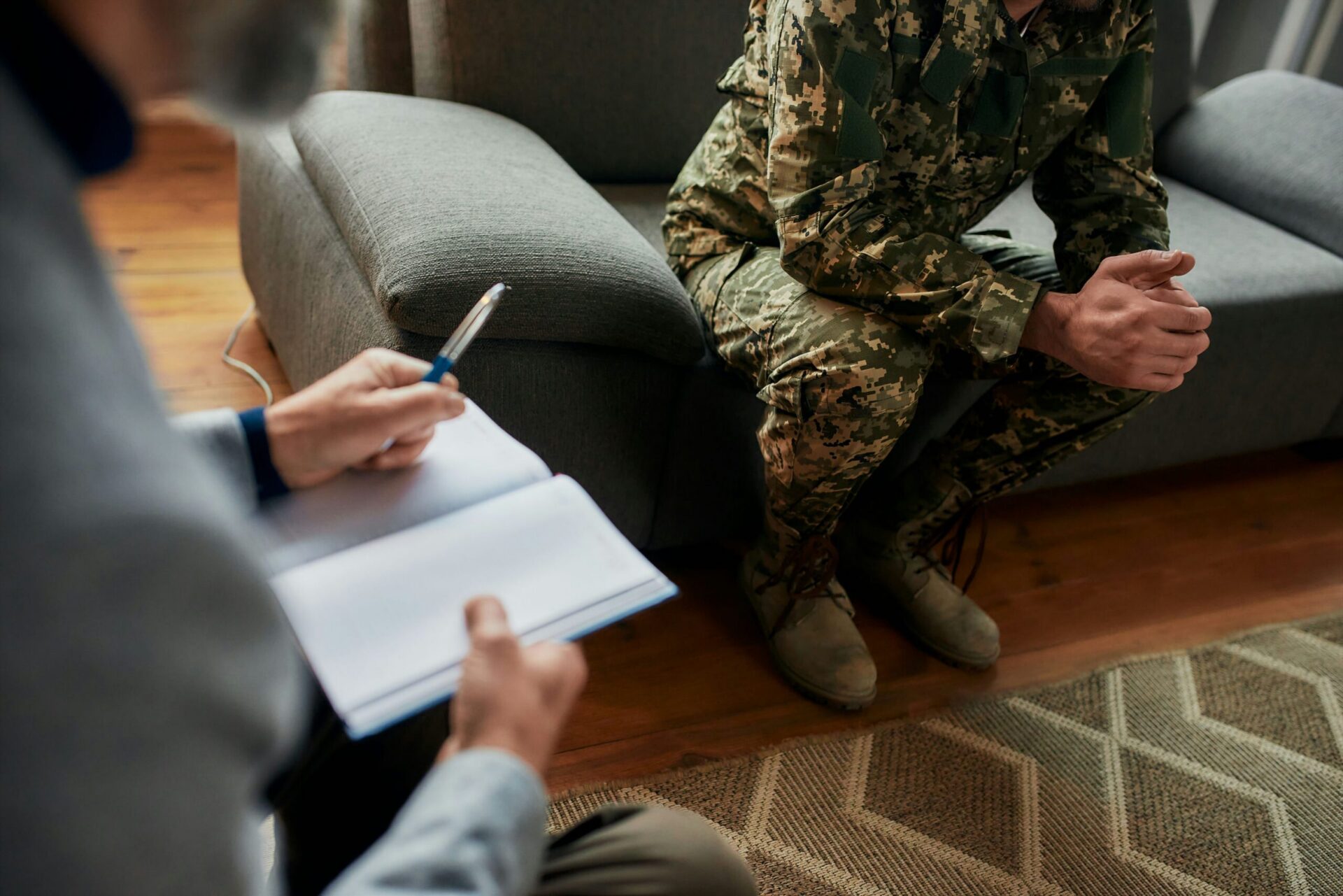 Completing treatment at Mana Recovery in Maui is a major milestone. Choosing recovery takes courage, honesty, and commitment. But finishing a rehab program is not the end of the journey—it is the beginning of learning how to live differently. The real work of recovery happens when you return to everyday life and start applying what you learned in treatment. This period can feel both hopeful and overwhelming, which is why aftercare and continued support are so important. At Mana Recovery, we believe that long-term recovery is built through structure, connection, and purpose. The following steps help create stability after rehab and support lasting change.
What is Aftercare and Why Does It Matter?
Aftercare is the ongoing support that continues after formal treatment ends. While detox and outpatient or residential programs help stabilize someone physically and emotionally, aftercare helps them stay grounded once they return to real-world responsibilities and stress. Without aftercare, people often face the same environments, pressures, and emotional patterns that contributed to substance use in the first place. At Mana Recovery, aftercare is an essential part of the recovery plan. It includes continued therapy, community connection, recovery housing, and support with reintegration. Aftercare gives people a place to process challenges as they arise instead of facing them alone. It provides accountability, structure, and a sense of belonging that strengthens long-term sobriety.
Partial Hospitalization Program (PHP)
For those who need significant structure without living full-time at a treatment facility, a Partial Hospitalization Program (PHP) is an excellent option. Often called day treatment, PHP offers a high level of care that mirrors the intensity of a residential program. Clients typically spend several hours a day, five days a week, engaged in various therapeutic activities, including individual counseling, group sessions, and skill-building workshops. This model provides a strong, supportive environment during the day while allowing you to return to your own home or a sober living environment in the evenings. It’s an ideal step-down from inpatient care or for individuals who have a stable home life but require daily accountability and connection to stay on track.
Intensive Outpatient Program (IOP)
An Intensive Outpatient Program (IOP) offers a balance of structure and flexibility. It is designed for individuals who are ready to reintegrate into their daily lives but still need consistent support. An IOP allows you to maintain responsibilities like work, school, or family care while attending treatment for a few hours a day, several days a week. This level of care focuses on strengthening coping skills, processing real-world challenges in a therapeutic setting, and building a sober support network. It provides the accountability needed to manage triggers and stressors as they arise, making it a crucial step in building a sustainable, long-term recovery while living in the community.
Standard Outpatient Program (OP)
A Standard Outpatient Program (OP) is the least intensive level of aftercare, created for individuals who have a solid foundation in their recovery but benefit from ongoing professional support. This program typically involves attending therapy once or twice a week. The focus of an OP is on maintaining sobriety, continuing personal growth, and addressing any new challenges that may come up. It serves as a consistent touchpoint, offering a space to check in, reinforce the tools learned in more intensive programs, and ensure you remain connected to your recovery community. It’s a vital part of long-term wellness, helping you sustain the progress you’ve worked so hard to achieve.
Creating a Personalized Recovery Plan
Recovery is not a one-size-fits-all process. Every person walks in with a unique history, a different set of challenges, and distinct personal strengths. Recognizing this, the most effective aftercare is not a pre-packaged program but a carefully constructed plan that reflects your specific needs and goals. The choice between a PHP, IOP, or standard outpatient program depends entirely on where you are in your journey. A personalized plan considers your living situation, support system, work or school commitments, and your emotional and psychological needs to ensure you receive the right level of care at the right time. This tailored approach is fundamental to building a recovery that feels authentic and sustainable for you.
At Mana Recovery, we believe that a successful recovery starts with a deep understanding of the individual. We don’t just place people in programs; we build programs around people. This process begins the moment you connect with our team. We work collaboratively with you to map out a path forward that feels both supportive and empowering. By focusing on your unique circumstances, we can create a comprehensive aftercare strategy that includes the right level of clinical treatment, community connection, and practical life skills. This ensures you are not just surviving in sobriety but are equipped with the tools and confidence to thrive in your new life.
The Initial Assessment Process
The first step in creating your personalized plan is a comprehensive initial assessment. This is not a test or an interrogation; it is a compassionate and confidential conversation designed to understand your story. During this process, our team will talk with you to evaluate the seriousness of your substance use, identify any co-occurring mental health needs, and learn about your family and social support systems. We also consider the duration of substance use and any previous treatment experiences. This thorough evaluation gives us a complete picture of your situation, allowing us to recommend the most appropriate level of care and begin crafting a therapy plan that addresses your specific needs from day one.
Tailored Support for Unique Journeys
Following the assessment, we develop a recovery plan that is tailored to your unique journey. This plan is a living document that can adapt as you grow and your needs change. For one person, it might mean starting in our PHP for maximum structure and then transitioning to an IOP. For another, it might involve a combination of individual therapy and specialized group sessions that fit around a work schedule. We integrate various evidence-based therapies and holistic practices, including our unique Recover Strong program, to heal both the mind and body. Our goal is to ensure that every person receives the exact support they need to build resilience, restore confidence, and create a meaningful life in recovery.
How to Build a Solid Post-Rehab Routine
One of the biggest challenges after rehab is rebuilding daily life. Addiction often disrupts sleep, nutrition, work habits, and relationships. A consistent routine helps replace chaos with stability. When your day has structure, there is less room for boredom, impulsive behavior, and old coping patterns to return. During treatment, our clients are encouraged to create routines that fit their real lives. A healthy routine balances responsibility with recovery work and rest. Over time, structure builds confidence and reduces stress. Having a regular rhythm to your day makes it easier to stay focused on your goals and maintain emotional balance.
Why You Should Keep Going to Therapy
Recovery is not just about stopping substance use; it is about understanding the deeper reasons behind it. Ongoing therapy provides a safe space to explore emotions, trauma, stress, and patterns that may have fueled addiction. It also helps people learn healthier ways to respond to life’s challenges. Mana Recovery offers evidence-based therapies that address both substance use and mental health. Continuing counseling after rehab allows clients to keep building insight, resilience, and emotional regulation. Therapy supports long-term growth and ensures that recovery is not just about survival, but about healing and self-development.
Find Your People: Building a Strong Support Network
Addiction isolates people, but recovery is built through connection. Having supportive relationships makes a major difference in long-term success. A strong support network provides encouragement, accountability, and understanding during difficult moments. Community is central to the healing process. During treatment, many learn to form relationships with peers, counselors, and mentors who understand what recovery looks like in real life. These connections reduce loneliness and create a sense of belonging. Feeling supported helps people stay motivated and grounded in their recovery.
Support for Families and Loved Ones
Addiction doesn’t just affect one person; it sends ripples through the entire family. When someone you care about is on the path to recovery, it’s natural to feel a mix of hope, confusion, and stress. Supporting them is a huge part of their success, but it’s just as important for you to have support, too. Learning how to create a stable and nurturing home environment is a process. It involves understanding how to communicate effectively, set healthy boundaries, and manage your own well-being. At Mana Recovery, we believe in healing the whole family system, not just the individual. Our approach to family therapy helps everyone involved learn new coping strategies and rebuild trust. This creates a stronger foundation for lasting change and ensures that families can heal and grow together, fostering an environment where everyone feels supported.
How to Handle Triggers and Risky Situations
Triggers are thoughts, feelings, people, or environments that increase the urge to use substances. Learning to recognize and manage them is one of the most important skills in recovery. Without awareness, people may react automatically instead of choosing healthier responses. We teach clients how to identify their personal triggers and develop coping strategies that work in real-world situations. This includes learning how to pause, regulate emotions, and ask for help before cravings grow stronger. Managing triggers is not about avoiding life, but about learning how to navigate it safely.
Getting Back to Work, School, and Life
Recovery is not only about avoiding substances; it is about creating a meaningful life. Returning to work, school, or other responsibilities helps restore confidence and a sense of purpose. Productive activity gives structure to the day and reinforces self-worth. Mana Recovery supports clients with reentry planning and life skills development. Whether someone is entering the workforce, continuing education, or volunteering, having direction helps strengthen recovery. Purpose makes sobriety feel worthwhile and sustainable.
Make Self-Care a Priority in Your Recovery
 Substance use often takes a toll on both the body and the mind. Recovery includes learning how to care for yourself again. Healthy habits like proper nutrition, regular sleep, physical activity, and stress management support emotional balance and mental clarity. We believe that self-care is seen as a core part of recovery, not a luxury. Clients are encouraged to rebuild their health through daily habits and through programs like Recover Strong, which uses exercise and neuroscience-based techniques to strengthen both the brain and body. These practices improve resilience and support long-term well-being.
Find Strength in Peer Support and 12-Step Groups
Peer support creates a sense of belonging and accountability that professional treatment alone cannot provide. Being around others who understand addiction and recovery helps reduce shame and isolation. Many people find strength and encouragement in community-based support programs. Mana Recovery encourages clients to explore peer support options such as 12-step groups, alumni connections, and community recovery meetings. Sharing experiences with others in recovery builds trust and reinforces commitment to sobriety. Recovery becomes easier when people feel understood and supported.
Understanding Recovery Support Services
Beyond traditional therapy and group meetings, Recovery Support Services are designed to help you build a strong, lasting foundation for your new life. These services are a proven way to not only help people stay in recovery long-term but also to improve the quality of that recovery. Think of it as practical, real-world assistance provided by people who have walked this path themselves. They offer guidance on everything from finding stable housing to managing daily responsibilities, ensuring you have the tools and encouragement needed to succeed outside of a formal treatment setting. These structured programs are built to bridge the gap between rehab and everyday life, making the transition feel less overwhelming and more manageable.
The Role of Peer Specialists
The people providing these essential services are often called “peer specialists,” and their most important qualification is their own personal experience with recovery. A peer specialist is someone who has been there and understands the challenges you’re facing on a deep level. They offer support before, during, and after treatment, helping you with practical steps like getting to appointments, connecting with community resources, or simply being a trusted person to talk to. Having guidance from someone who knows your local community and has successfully rebuilt their own life provides a powerful sense of hope and connection. This kind of support is a key part of a holistic treatment approach, reminding you that you are not alone in this journey.
Is Your Recovery Plan Still Working for You?
Recovery is not static. As life changes, recovery needs change too. Regularly checking in with yourself and your support team helps ensure that your plan still fits your goals and challenges. At Mana Recovery, clients are encouraged to reflect on their progress, celebrate growth, and adjust strategies when needed. Monitoring recovery helps people stay proactive instead of reactive. It keeps recovery aligned with real-life needs and long-term success.
Know the Early Warning Signs of Relapse
 Relapse often begins emotionally and behaviorally long before substance use happens. Changes in mood, isolation, increased stress, or drifting away from support can signal that something is off. Recognizing these early signs allows for intervention before things escalate. Mana Recovery provides a supportive, nonjudgmental environment where people can ask for help at any stage. Reaching out early can prevent setbacks from becoming full relapses. Recovery is not about perfection; it is about staying honest and connected.
Get the Mana Recovery Support You Deserve
Take the first step toward lasting recovery by contacting Mana Recovery today. Our team in Maui, Hawaii, is ready to answer your questions and guide you through all of our treatment options, programs, and long-term recovery support. Whether you are seeking help for yourself or a loved one, we can help you understand the services available and create a plan that meets your needs every step of the way.
FAQs: What to Do After Rehab
1. What is aftercare, and why is it important after rehab?
Aftercare refers to the ongoing support and services that follow completion of a rehab program. While rehab helps stabilize the body and mind, aftercare ensures that recovery continues in real-life settings. It can include therapy, recovery housing, support groups, and life-skills coaching. At Mana Recovery, aftercare is considered an essential part of treatment because it provides accountability, structure, and connection, all of which reduce the risk of relapse and support long-term sobriety.
2. How do I create a post-rehab routine that supports recovery?
A structured daily routine can help prevent stress, boredom, and old habits from resurfacing. After rehab, it is important to include regular wake and sleep times, nutritious meals, exercise, therapy sessions, and time for work or school. Mana Recovery works with clients to develop personalized routines that fit their lifestyle and recovery goals, helping them build consistency and stability as they transition back into daily life.
3. Do I need to continue therapy after completing rehab?
Yes. Recovery is an ongoing process that goes beyond stopping substance use. Continued therapy helps clients process emotions, address trauma, and develop coping skills for stress and high-risk situations. Mana Recovery offers individual, group, and family therapy options, as well as evidence-based approaches like Cognitive Behavioral Therapy and the Matrix Model, ensuring clients have the tools to maintain long-term recovery.
4. How can I build a strong support network in recovery?
A strong support network is crucial to long-term recovery. Connections with peers, family, mentors, and counselors provide encouragement, guidance, and accountability. Mana Recovery emphasizes community and peer connections, helping clients find supportive relationships that reduce isolation and strengthen their commitment to sobriety.
5. What are common triggers, and how can I manage them?
Triggers are people, places, emotions, or situations that can prompt cravings or relapse. Common triggers include stress, loneliness, conflict, and social environments associated with substance use. Mana Recovery helps clients identify personal triggers and develop strategies such as reaching out to a support person, practicing coping techniques, or leaving risky situations early to manage cravings safely.
6. Should I consider sober living or structured housing after rehab?
Sober living or structured housing can provide stability and accountability while clients rebuild their independence. Mana Recovery offers recovery housing for individuals transitioning from incarceration, homelessness, or acute treatment settings. Structured environments help clients maintain routines, practice recovery skills, and stay connected to supportive peers as they navigate daily life.
7. How do I safely return to work, school, or daily responsibilities?
Returning to work, school, or other responsibilities is an important step in creating purpose and structure. Mana Recovery supports clients with reentry planning, life-skills training, and job readiness coaching. Gradually reintroducing responsibilities while maintaining recovery-focused routines allows clients to build confidence and maintain sobriety.
Key Takeaways
- View aftercare as the next essential step: Recovery doesn’t end when rehab does; structured programs like PHP and IOP provide the ongoing support needed to manage real-world stressors and maintain your progress.
- Create a personalized recovery blueprint: A one-size-fits-all approach doesn’t work, so collaborate with your support team to design a tailored aftercare plan and daily routine that gives your life stability and direction.
- Build your support system intentionally: Recovery is a team effort, not a solo mission, so actively engage in ongoing therapy and connect with peer groups to create a strong network you can rely on.
Related Articles
- What to Do After Rehab: Steps for Lasting Recovery
- Preparing for Rehab: An Essential Checklist
- How Long to Get Sober? A Realistic Timeline
- The Alcohol Recovery Timeline: What to Expect
