
What to Bring to Outpatient Rehab: First-Day Guide
By Mana Recovery Center | June 17th, 2026
Knowing what to bring to outpatient rehab can make your first day feel more manageable. General guidance includes a photo ID, requested insurance information, a current medication list, a notebook, and a reliable transportation plan. Requirements vary by provider and level of care, so confirm the details directly before your appointment.
Contact Mana Recovery admissions to confirm your first-day checklist and arrival instructions.
This article offers general preparation guidance rather than a list of Mana Recovery-specific requirements. Your care team can tell you which documents to bring, how medications should be handled, what to wear, and how long your first visit may take. Mana Recovery offers several levels of outpatient care, and the schedule and preparation needs can differ for Day Treatment, intensive outpatient, and standard outpatient care.
What to bring to outpatient rehab: first-day checklist
Preparing for your first outpatient session can feel unfamiliar, but a short plan can remove common first-day distractions. Unlike residential care, outpatient programs let you return home after scheduled services, so you usually need only a few practical items for the day.
Required papers and ID
Check-in is usually your first step. Bring the identification and insurance information your provider requests so staff can verify details efficiently and help you begin on time. You can find more tips in our checklist for your first day to make sure you are ready.
If you got any forms during a phone talk, bring those paper copies too. Clear papers are a key part of the admission process for outpatient care. Keeping these in a folder or small bag can help you stay calm during a busy first day.
Meds and health notes
Medication safety starts with accurate information. Prepare a current list of medications, doses, and prescribing clinicians, then follow your care team’s instructions about what to bring. This helps clinicians understand your health needs and avoid unsafe interactions. All meds should be reviewed by the medical team on your first visit to keep you safe.
Tools for care and comfort
A notebook and pen can help you record questions, schedule details, coping strategies, and next steps discussed with your care team. Research shows that using a journal or health monitoring tools can help you talk with your doctors. These notes are great tools as you work through the hard parts of early health.
You should also pack items that support comfort throughout the day. A reusable water bottle may be helpful between sessions if your provider allows one. Mana Recovery’s Recover Strong program incorporates exercise-based therapy, so ask whether comfortable clothing and athletic shoes are appropriate for your scheduled activities. Confirm these details before arrival rather than assuming every session includes exercise.
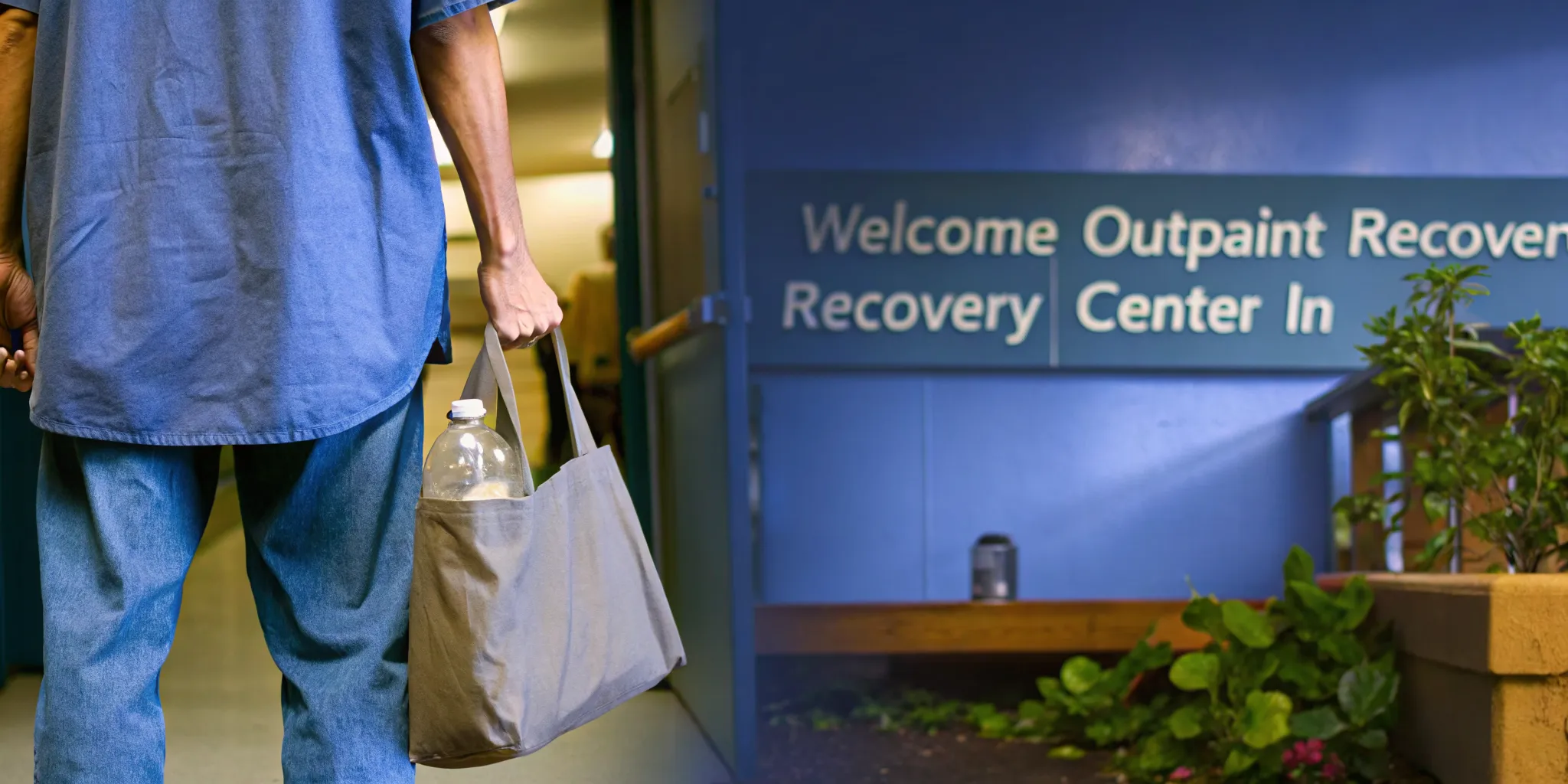
Your first day packing list
Use this general checklist to prepare your bag, then confirm each item with your provider before your first day.
- Check your bag for IDs and insurance cards. Make sure your ID and health cards are easy to find for the front desk.
- Write out your med list. List every drug you use so the staff can check them for your safety.
- Pack a pad and pen. These are needed to take notes in group and track your own goals.
- Pick easy, loose clothes. Wear light fabrics and good shoes that let you move well in care and gym time.
- Bring a water bottle and a small snack. Stay hydrated and keep your energy up during long days.
- Check your start time. Look at your time and place once more to make sure your day starts well.
- Check the rules with the center. Call us to ask about items that are not allowed or any special needs for your plan.
Your preparation needs may differ by level of care. For additional general planning guidance, see our guide on IOP program requirements. Our goal is to make your start in care as simple and kind as we can.
Which documents and details should you have ready?
When you start care, having your papers ready helps things go well. You will need to show who you are and how you plan to pay. Most outpatient rehab programs ask for ID and insurance forms before your first day. Keeping these in a small bag makes your check-in much faster.
Identification and insurance cards
You may be asked to bring a photo ID like a license or state card. Confirm which identification the staff needs to connect you to your medical files. You may also be asked for your current insurance card. If you use Med-QUEST or TRICARE, make sure the card is active. It is smart to verify your insurance before you arrive to know coverage details. This helps you plan for any fees or copays.
Medical and contact information
The team needs to know your health history to keep you safe. Bring a list of all your meds. Include the dose and the name of the doctor for each one. You should also have the phone numbers for your main doctor and pharmacy. If you have been to other centers, be ready to talk about your past care and your goals with the staff.
Forms and financial details
You may have forms from your first call or email. Bring these papers if you have filled them out already. Staff may ask about your job or home needs to help set your plan. Since outpatient care lets you stay in your daily life, these details help the team support your work and home balance. If you have questions, reach out to the admissions team for more help.
How should you prepare your medications?
Talk to your care team first
Talk with your prescribing clinician and treatment team before changing any medication. Do not stop a medication or change its dose on your own, because abrupt changes may create health risks. Follow individualized medical guidance.
The team should look at all your current drugs when you join the program. This helps the staff keep you safe and plan the best care for you. Some doctors might also suggest new drugs to help with cravings or other health needs. Working with your team ensures every pill you take helps you get well.
Bring a full list
One of the best ways to get ready is to write down a clear list of what you take. This list should have the name of each drug and how much you take each day. Also, include any vitamins or health aids you buy from a store. When you list your drugs, write down the strength, such as 50 milligrams. Note if you take it in the morning or at night.
Knowing what to bring to outpatient rehab starts with good notes. Keep your list in a safe spot like a bag or a phone app. Some people find it helpful to use a phone app or a notebook to track their health. You will need to share this with the nurse or doctor when you first check in. This step helps the staff avoid any bad drug mixes and gives them a full view of your health. You can find more tips on this in our checklist for your first day.
Check program bottle rules
Rules for how to carry your drugs can change from one place to the next. Some providers may ask for original pharmacy containers showing your name and prescribed dose. Others may ask only for a current medication list while you keep medications at home.
You should reach out to the center to ask about their exact rules for IOP program requirements. Knowing the rules before you show up saves time and cuts down on stress. If you are not sure, it is best to ask:
- Should I bring the real bottles or just a list?
- Does the staff need to hold my drugs during the day?
- Can I bring vitamins or other over-the-counter supplements?
- Who should I talk to if my health plan changes?
Staying on top of these details keeps your focus on your goal. When you know the rules, you can feel calm and ready for your first day. Clear talk with your care team is the key to a safe and strong start.
Plan transportation and your first-day schedule
Outpatient care gives you choices but needs good planning. You are in charge of how you get to the center and how you spend your time between sessions. To get the most from your care, you must set a clear plan for your first day. Thinking about these steps now will help you focus on healing once you arrive at the center.
Map out your ride
Since outpatient care does not include a place to stay, you must find your own way to the center. This is a key part of your own duty in the program. Before your first day, check your route and see how long it takes to drive or ride the bus. This helps you avoid any stress from being late or getting lost on your way there.
If you drive, find out where to park near the building. If you take the bus, look up the lines that stop near the center. It is a good idea to have a backup plan in case your car has a problem or a ride falls through. Always confirm your start time with the staff to make sure you begin your day on time. You can read more in our checklist for your first day to stay on track.
Understand the time needs
The time you spend at the center depends on your own plan. For example, a Partial Hospitalization Program (PHP) may need six to eight hours of your time each day. This often happens four to five days each week. If you are in an Intensive Outpatient Program (IOP), you might spend four to five hours there. This usually occurs three to five days a week. Knowing these ranges helps you plan your life, but remember that schedules can vary for each person.
Your first day will likely include an intake process where you meet the team. You will talk about your goals and any past care you have had. You might also join a group therapy session right away. Being ready to join in shows you are serious about your path. It is helpful to bring a notebook to track your thoughts and write down questions for your doctor. Research shows that using a journal can help you track your progress and talk better with your care team.
Prepare for daily duties
One big gain of outpatient care is that you can still take care of your home and work life. But you must plan your day carefully to balance these tasks. Talk to your family and boss about your program rules before you start. This helps everyone in your life know when you will be busy and when you are free.
When you think about what to bring to outpatient rehab, don’t forget to pack your daily items. Packing the night before keeps your first morning simple and calm. If you have food needs, tell the staff during your intake so they can help you with a plan. Consider bringing these items for your first day:
- A water bottle you can refill to drink enough during your sessions.
- A healthy lunch if your program does not provide meals.
- A small amount of cash for vending machines or small needs.
- Your insurance card and photo ID for the check-in process.
These small steps make it much easier to keep your focus on your long-term goals. Having everything ready allows you to dive into your therapy with a clear mind.
Outpatient vs. inpatient rehab packing
Packing for rehab depends on the type of care you choose. Inpatient care means you stay at a center for weeks or months. You must pack like you are moving into a new home. Outpatient care is different because you return to your own house every night. Knowing what to bring to outpatient rehab helps you feel ready without carrying too many items.
Key differences in packing
For outpatient care, you only need items for your daily sessions. These sessions can last from four to eight hours. You should bring a small bag with water, snacks, and a notebook. In contrast, inpatient centers often have strict rules about what you can wear and keep in your room. They may hold your phone or limit how much cash you have. Outpatient centers allow you to keep your personal items and use them when you go home.
Rules vary by provider, so you should always ask your center for a full list. Some places might not allow certain gadgets or outside food. Most outpatient addiction treatment programs focus on letting you keep your normal life while you heal. This means you do not need to pack bags of clothes or towels. You only need to prepare for the time you spend in therapy and group meetings.
| Feature | Outpatient packing | Inpatient packing |
|---|---|---|
| Bag | Small daily bag | Larger overnight bag |
| Clothing | One comfortable outfit | Multiple changes of clothes |
| Personal items | Only approved daily essentials | Approved overnight essentials |
| Documents | Requested intake documents | Requested admission documents |
Daily prep for outpatient care
Your first day in an outpatient program is about getting used to the schedule. You will spend many hours in group and individual therapy. Because Mana Recovery uses exercise as part of its Recover Strong program, you should wear gym clothes and shoes with non-slip soles. This helps you stay safe and move easily during your sessions.
You should also bring a list of your current medicines and doses for the intake nurse (RehabPulse). Keeping these facts ready makes the check-in process faster. It also ensures the medical team knows exactly how to help you. Since you are responsible for your own travel, make sure you know how you will get to the center each day.
What to leave at home
While outpatient care is flexible, you still must follow safety rules. Do not bring large amounts of cash or expensive jewelry. These items can get lost or distract you from your work. You should also avoid any items that remind you of past substance use (LA County). The goal is to keep your focus on your goals and the “Recover Strong” path.
If you are not sure about an item, it is best to call the center before you arrive. Most staff members are happy to explain the rules. By packing light, you can focus on your therapy and the people you meet. This makes your time in rehab more helpful and less stressful.
What should you wear and leave at home?
Planning what to bring to outpatient rehab helps you stay focused on your health. Since you will go home each day, your needs differ from a stay in a full-time center. You want to feel at ease while you work on your goals. It is also good to have a simple checklist for your first day to ensure you have what you need.
Choose clothes for comfort and movement
Wear comfortable clothing that allows you to move easily. At Mana Recovery, our Recover Strong program uses workouts to help your brain heal. You will need shoes like sneakers and clothes that breathe well for these times. Layers are also a smart choice since the air in the room can change during the day.
Think about picking modest items that do not distract you or others. Most centers suggest simple shirts and pants or long shorts. Avoid clothes with logos or words that promote drug or alcohol use. Top centers like Mayo Clinic suggest that clients have a say in their goals. Dressing for success is a part of that choice.
Pack items that help your growth
A notebook and a pen are key tools to bring with you. You will learn many new skills in therapy and group meetings. Writing down your thoughts can help you track your progress and share facts with your team. Some people use health apps like REHAB NOTE on their phones to track their status and share notes with doctors.
You must also bring your ID and your insurance card for the sign-in process. These items help the staff set up your file and check your IOP program rules quickly. Having your papers ready means you can start your care without any wait or stress.
Things to leave in a safe place at home
It is best to leave high-cost items at home to keep them safe. This includes large sums of cash, fine jewelry, or tools that cost a lot. Leaving valuables at home can help you focus on the day’s care. Most rehab centers have rules about what you can bring to keep the space safe and calm for everyone.
Also, try to avoid items that could take your focus away from the work. This might include games or books that are not related to your healing. Many programs ask that you check their rules on own time and books before you arrive. If you are not sure about an item, you can call the center to ask.
What should you confirm before your first day?
Starting a new program is a big step. You may feel nervous about what to expect. Planning ahead can help you feel more at ease. A quick call to the center can clear up many things before you arrive.
You should know just where to go and when to show up. Most places have a set time for check-in. Using a checklist for your first day can help you track these small details. This way, you can focus on your healing once you walk through the door.
Daily schedule and travel plans
You need to know how much time you will spend at the center. Some long programs take six to eight hours each day. Knowing these times helps you plan for your kids or your job. It also helps you stay on track with your daily goals.
It is also vital to check the place for your sessions. Some centers have more than one building. As stated by Los Angeles County Public Health, you should check the site to avoid any mix-ups. Since you must find your own ride, make sure your travel plans are set.
Medication safety and food rules
Safety is the top goal when you start care. You must talk about any pills you take with the health team. This helps them keep you safe. Experts at the Mayo Clinic suggest checking all your own meds during the intake. Bring a clear list of what you take and how much.
You should also ask if the center gives you lunch. Some day programs have food, while others ask you to bring your own. If you have food allergies, tell the staff right away. This keeps you healthy while you work on your tasks. You can also ask the Mana Recovery staff about food rules before you arrive.
- Confirm your start time. Call the center to check when to arrive for your intake. Ask where to park and which door to use.
- List your pills. Write down every drug you take and the dose. This list helps the nurse update your file with ease.
- Plan your ride. Make sure you have a way to get to the center and back home. Check the bus path or ask a friend for help.
- Ask about phone rules. Find out if you can keep your phone or if it must stay in a locker. Some places want you to turn it off during group work.
- Check the dress code. Most programs want you to wear clothes that are easy to move in. Ask if there are items you should leave at home.
- Gather your ID. Put your photo ID and insurance card in your bag the night before. This makes the check-in fast for everyone.
Taking these steps helps you understand what to bring to outpatient rehab and what to leave at home. Being prepared lets you focus more fully on participating in care.
Verify your insurance benefits with Mana Recovery before your first appointment.
Frequently Asked Questions
Can I bring my own medication to outpatient rehab?
You may bring your current drugs to the center, but you must list them first. On your first day, a nurse or doctor will look at every med and dose you take. This check keeps you safe and makes sure your care plan works well. According to the Mayo Clinic, a review of all meds is a key part of the admission process. Always talk to the staff about any changes to your health.
How does outpatient packing differ from inpatient programs?
Outpatient packing is much simpler than inpatient plans because you go home every night. You do not need to bring a suitcase with several days of clothes or towels. Instead, carry a small bag or backpack with just your daily tools like an ID card and a water bottle. Focus on items that help you take part in care and stay alert during your group talks. This light approach lets you stay focused on your goals while you still handle your work and home duties.
Are there items I should not bring to my sessions?
You should not bring items that might get in the way of your health path. This includes large sums of cash, jewelry, or other costly items that could get lost. Most centers also ban any items that show drugs or alcohol. These rules help keep the space safe and calm for everyone in the group. As noted by RehabPulse, you should only pack basic items that support your daily work in the program.
Is a notebook or journal helpful for outpatient therapy?
Yes. A notebook can help you record goals, questions for your care team, schedule details, and skills discussed during group sessions. Research in PMC shows that writing down your health status can help you talk better with your medical team. It is a simple way to see how much you grow each week.
What type of clothing should I wear to the facility?
You should wear loose and comfortable clothes that let you move easily throughout the day. Since some programs include exercise, pick light fabrics like cotton and avoid tight gear. It is also vital to wear shoes with non-slip soles to stay safe during your workout. According to Centra Health, good walking shoes and basic shirts are the best choice for daily care. Dressing in layers can also help you stay warm if the room feels cool.
Confirm your first-day requirements with Mana Recovery
Preparing a few practical details ahead of time can help you arrive with fewer distractions. Use this general checklist as a starting point, then rely on your care team’s current instructions for your specific program, schedule, medications, clothing, and arrival process.
Contact Mana Recovery to confirm what to bring and get answers about your first appointment.
