
Day Treatment for Addiction Hawaii: PHP Guide
By Mana Recovery Center | June 8th, 2026
Recovery sometimes needs six to eight structured hours before the evening begins. Day treatment gives that support while keeping home, family, and work connections in reach.
Schedule a PHP consultation with Mana Recovery
Day treatment for addiction Hawaii is commonly called a partial hospitalization program (PHP), an intensive outpatient service with substantial daily structure. Mana Recovery Center describes PHP as 6 to 8 hours of structured clinical support daily, 4 to 5 days weekly, for 8 to 10 weeks. Participants return home each evening, preserving ties to family, work, and community while receiving more support than standard outpatient care. PHP may fit someone who needs significant structure but does not require 24/7 inpatient services; individual needs should guide that decision. Mana Recovery provides outpatient care only, not detox or residential treatment, with peer-to-peer, dignity-centered support and step-down outpatient options as recovery progresses in the community.
The practical question is simple: what does a PHP provide each day, and where does it fit within outpatient care? The next section, Day treatment for addiction Hawaii: what PHP means, sets that foundation before you compare support levels. The path begins with:
Day treatment for addiction Hawaii: what PHP means
Day treatment for addiction in Hawaii is often called a Partial Hospitalization Program, or PHP. The name can sound more intense than it needs to. So here is the plain-language version: PHP is a structured outpatient program for people who need strong support during the day but do not need to live inside a treatment facility. At Mana Recovery, PHP gives clients a steady schedule, peer support, clinical guidance, and recovery-focused tools while still allowing them to return home each evening.
That difference matters. Mana Recovery’s PHP is outpatient care. It is not detox, residential rehab, or inpatient treatment. Clients do not stay overnight at Mana, and the program is not designed to replace medical detox when detox is needed. Instead, PHP helps people who are ready for a high level of daytime structure, accountability, and community while continuing to stay connected to home, family, work, court obligations, or other parts of daily life.
What partial hospitalization means in real life
A Partial Hospitalization Program is usually the most intensive level of outpatient addiction treatment. At Mana Recovery, PHP may include 6 to 8 hours of structured support per day, 4 to 5 days per week, for about 8 to 10 weeks. The exact plan depends on the person’s needs, progress, and care recommendations, but the goal is consistent: provide enough structure to help someone stabilize without removing them from their everyday environment.
For many people, that rhythm is what makes PHP practical. A client can spend the day focused on recovery, then return home in the evening to practice what they are learning in real life. That might mean using new coping skills with family, building a healthier routine after work, making it to a probation appointment, or simply proving to themselves that recovery can fit into daily life. PHP is not a place where someone is judged for where they have been. It is a place to get grounded, build momentum, and keep showing up.
How Mana Recovery approaches day treatment
Mana Recovery’s approach to day treatment programs in Hawaii is dignity-centered and peer-to-peer. That means clients are treated as people with strengths, choices, and a future, not as a diagnosis or a mistake. Support is direct, human, and practical. The team meets people where they are, whether they are navigating substance use, court requirements, housing instability, military or veteran concerns, Medicaid or CCS access, or the pressure of trying to rebuild trust.
PHP can be a fit for someone who needs more than standard weekly outpatient sessions but does not require 24/7 care. It can also help someone step into a more structured recovery routine before moving into a lower level of outpatient program support, such as intensive outpatient addiction support. The point is not perfection. The point is consistent support, honest connection, and a plan that helps each person move forward with dignity, one day at a time.
How does a typical PHP day treatment schedule work?
A typical PHP schedule is built to give you strong support during the day while still leaving room for real life after program hours. In day treatment for addiction Hawaii residents can expect a structured outpatient rhythm, not a one-size-fits-all script. At Mana Recovery Center, PHP is generally the most intensive outpatient level of care. Often involving 6 to 8 hours a day, 4 to 5 days a week, for about 8 to 10 weeks. The exact schedule can shift based on your needs, your assessment, transportation, work or family responsibilities, and the care plan you build with the team.
The goal is not to take over your life. The goal is to help you practice recovery while you are still connected to your home, responsibilities, and community. Each day usually combines clinical support, peer connection, practical skill-building, and planning for the situations you will face outside the program. You are not treated like a problem to be fixed. You are treated like a person rebuilding stability and confidence.
What happens during the treatment day?
Most PHP days include a mix of group therapy, individual therapy, skills practice, recovery planning, and peer support. Group time may focus on topics like cravings, stress, communication, emotional regulation, relapse prevention, and rebuilding trust. Individual support gives you space to talk through personal barriers, goals, and next steps. Skills practice helps turn ideas into actions, so recovery is not just something discussed in a room. It becomes something you can use when you leave for the day.
- Arrival and grounding: The day may begin with a check-in, a brief grounding practice, and a review of what support you need that day.
- Therapy and focused groups: You participate in structured conversations that help you understand patterns, build cognitive behavioral therapy coping tools, and hear from peers who are also doing the work.
- Skills practice: The team helps you rehearse practical strategies for high-risk moments, conflict, routines, work stress, family pressure, or court-related responsibilities.
- Recovery planning: You work on short-term and long-term goals, including support systems, accountability, daily structure, and plans for what happens after PHP.
- Wraparound support and next steps: Before the day ends, staff may help coordinate resources, referrals, insurance or payment questions, transportation barriers, employment needs, or step-down planning.
Peer support is a major part of the experience. Recovery can feel isolating, especially when you are carrying shame, legal pressure, housing stress, family concerns, or the feeling that you have tried before and disappointed people. A peer-to-peer environment helps lower that wall. You are around people who understand that progress can be messy and still meaningful. That kind of support can make it easier to speak honestly, ask for help sooner, and stay connected when things get difficult.
Wraparound services also matter because substance use recovery is rarely only about substance use. People may need help coordinating care, understanding benefits, communicating with probation or court systems, building transportation plans, reconnecting with family therapy, or preparing for work and school demands. PHP gives the team enough time with you during the week to notice those barriers and help you address them before they become reasons to step away from care.
As the weeks progress, the schedule may become part of a larger transition plan. Some people need the full structure for several weeks before stepping into a lower level of outpatient support. Others may need adjustments along the way. The point is flexibility with accountability: enough structure to help you stabilize. Enough dignity to honor your pace, and enough practical planning to make recovery workable in daily life.
Verify your insurance for outpatient day treatment
Who is a good fit for outpatient day treatment?
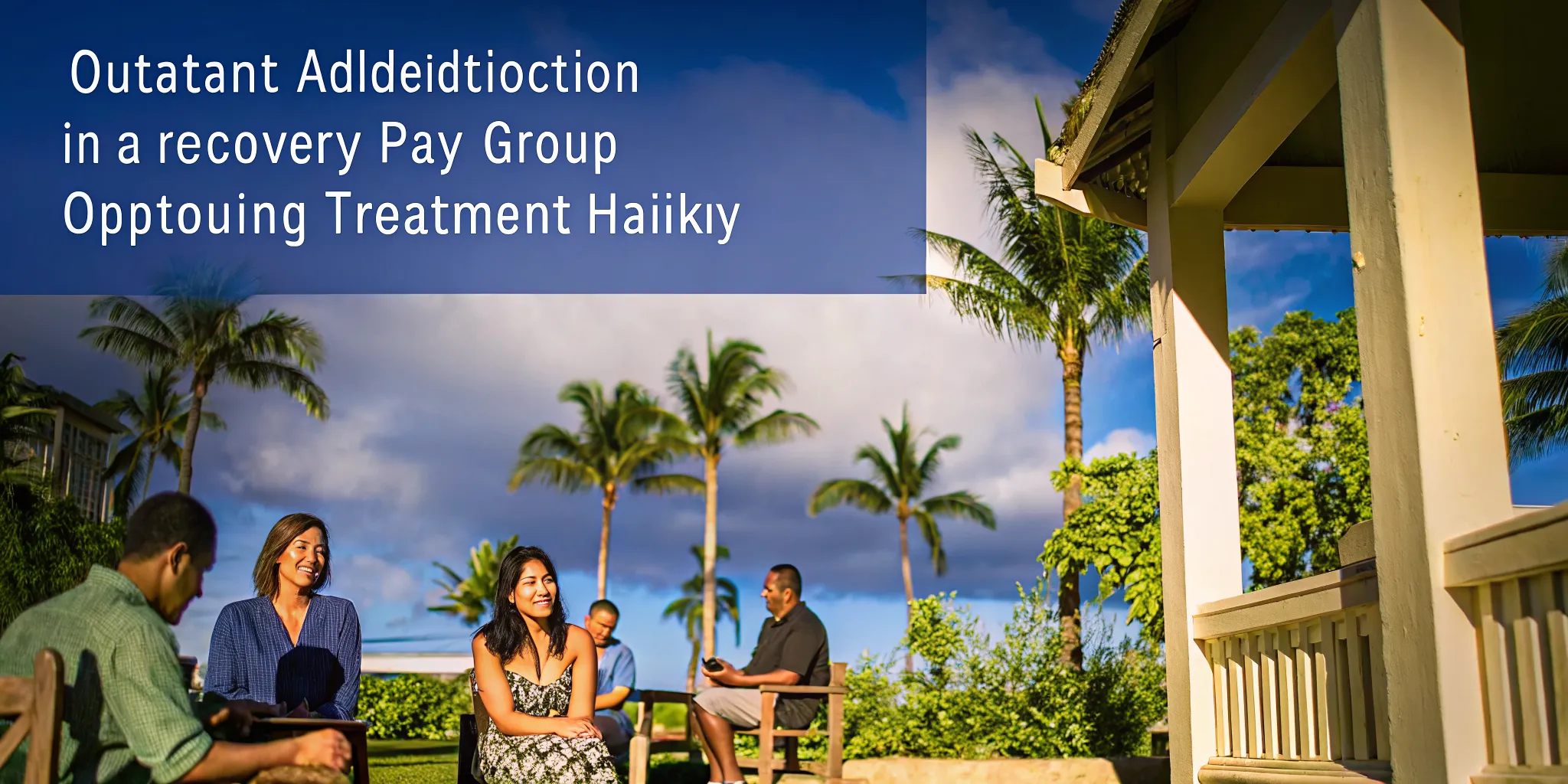
Outpatient day treatment, also called PHP, can be a strong fit for people who want real structure during the day while staying connected to home, family, work, school, culture, and community in the evening. For many people searching for day treatment for addiction Hawaii, the question is not whether they are ready to disappear from daily life. It is whether they can get enough support to keep moving forward without leaving everything behind.
At Mana Recovery, PHP is the most structured outpatient level of care. It may include 6 to 8 hours of support per day, 4 to 5 days per week, for about 8 to 10 weeks. That kind of schedule can help when weekly outpatient appointments are not enough, but the person does not need care around the clock or 24/7 medical monitoring.
People who may need more than weekly outpatient support
PHP may fit someone who is trying to stabilize in recovery and needs a steady rhythm. That means showing up, being seen, building skills, and having support through the hours when old patterns can feel loud. It can also make sense for someone who has tried standard outpatient care and realized they need more accountability. More peer connection, and more time in a recovery-focused space.
This does not mean someone has failed. It means they are being honest about what level of structure helps them stay steady. In a dignity-centered program, needing more support is not treated like a weakness. It is treated like information. The goal is to match the day to the person’s real life, not force the person into a label.
PHP can also work for people who have safe, stable evening housing. Because day treatment is outpatient, clients return to their own living environment after programming. That can be a benefit for people who have a supportive place to sleep. Reliable transportation or a plan for getting to care, and enough safety at night to practice what they are learning during the day.
Who Mana Recovery is built to welcome
Mana Recovery’s peer-to-peer model is designed for people who want support without being talked down to. That includes justice-involved clients, people with court requirements, probation responsibilities, or a transition back into community life. A structured outpatient schedule can help create consistency while someone is rebuilding trust, meeting obligations, and working toward stability one day at a time.
Day treatment may also be a fit for Medicaid and CCS beneficiaries who need accessible addiction treatment in Hawaii. As well as veterans and military-connected people who want care that respects lived experience, personal agency, and the realities of starting again. The right program should help people feel human first, not like a case file.
PHP is not the right match for every moment. Someone who needs emergency medical attention, withdrawal management, detox, overnight supervision, or 24/7 medical monitoring may need a different level of help before outpatient care is appropriate. For people who can safely return home each evening and want a full daytime structure, outpatient day treatment can offer a grounded path forward: enough support to matter, enough flexibility to keep life connected, and enough respect to meet the person where they are.
Day treatment vs. residential rehab vs. IOP
When people compare day treatment for addiction in Hawaii with residential rehab or intensive outpatient care, they are often trying to answer a practical question: what level of support fits my real life right now? There is no shame in needing more structure, and there is no single path that works for everyone. The right level of care depends on safety, stability, recovery goals, home environment, work or family responsibilities, and whether 24/7 medical or residential support is needed.
Day treatment, also called a Partial Hospitalization Program or PHP, is a high-structure outpatient option. At Mana Recovery, PHP can include 6 to 8 hours of structured support per day, 4 to 5 days per week, often for 8 to 10 weeks. Clients participate in care during the day and return home in the evening. That makes PHP a strong fit for people who need more than weekly therapy or standard outpatient care. but who do not need. Or are stepping down from, 24/7 inpatient services.
Residential rehab is different because clients live at the treatment facility. Residential care may be appropriate when someone needs a protected living setting, around-the-clock supervision, or separation from an unsafe environment. Some residential programs may also connect people with detox services or a higher medical level of care. Mana Recovery does not provide detox, residential rehab, or inpatient stays. If someone needs those services first, the honest next step is to connect with the appropriate provider, then consider outpatient care when it is safe and clinically appropriate.
Intensive outpatient care, often called IOP, is usually a step down in time commitment from PHP. It still offers meaningful structure, accountability, and peer connection, but with fewer weekly hours. For many people, IOP works well after day treatment, when they are ready to practice recovery skills with more flexibility. It may also fit people who have a stable home setting and need support while continuing work, school, court requirements, parenting, or other responsibilities.
| Level of care | Where nights are spent | Best fit | Offered by Mana? |
|---|---|---|---|
| Day treatment or PHP | At home or in the community | Daily structure without a residential stay. | Yes |
| Residential rehab | At a live-in facility | People who need 24/7 supervision or a protected setting. | No |
| Intensive outpatient or IOP | At home or in the community | Step-down or lower-hour outpatient support. | Yes |
Choosing the level that supports your next right step
A dignity-centered approach does not ask, “What is wrong with you?” It asks. “What support would help you stay safe, steady, and connected today?” For some people, that answer is residential care first. For others, day treatment offers enough structure to rebuild routines while staying connected to family, employment, community, and the responsibilities that matter. IOP can then help carry that momentum forward with continued accountability.
Mana Recovery offers outpatient PHP and IOP in Hawaii with a peer-to-peer, nonjudgmental approach. The goal is not to label people or push them into a one-size-fits-all track. The goal is to meet people where they are, help them understand their options clearly, and support the strongest next step in recovery. If you are unsure whether PHP or IOP is the right fit, reaching out for a conversation can help clarify what level of care makes sense right now.

How Mana Recovery supports PHP clients in Hawaii
Mana Recovery approaches day treatment for addiction in Hawaii with a simple belief: people do better when they are treated with dignity, practical respect, and real support from people who understand the road they are walking. Our Partial Hospitalization Program is a high-structure outpatient option for clients who need more than standard weekly care, but who can still return home at the end of the day. It is not detox, residential treatment, or inpatient care. It is an outpatient path built to help people stabilize while staying connected to family, work, community, and the responsibilities that still matter during recovery.
For many clients, that distinction matters. Life does not pause because someone enters treatment. Parents still parent. Workers still need a plan. People involved with courts, probation, reentry, housing instability, or public benefits often need a program that can combine structure with flexibility. Mana Recovery’s PHP model is designed for that reality. Clients receive focused support during the day, then practice recovery skills in the same environments where they will need to use them long term.
Dignity-centered care, delivered peer to peer
Mana Recovery’s outpatient approach is grounded in peer-to-peer connection. That means clients are not treated like a diagnosis, a case file, or a problem to be managed. They are treated as people with strengths, history, responsibilities, and the ability to build something different. The tone of care is direct, human, and nonjudgmental. Staff meet clients where they are, while still encouraging accountability, consistency, and forward movement.
This dignity-centered model is especially important for public-payor populations and people who have often been pushed to the margins of care. Mana Recovery serves clients using Medicaid/CCS, people navigating low income or unstable housing, justice-involved clients, and military-connected clients using TRICARE. The goal is not to make treatment feel exclusive or out of reach. The goal is to make high-quality addiction treatment in Hawaii accessible and understandable. Recovery support should be available to people who are ready to engage, not only to people with private resources.
Recover Strong and practical support for real life
A core part of Mana Recovery’s model is Recover Strong, an exercise-based neuroscience program that connects physical movement, brain health, routine, and recovery. For clients in PHP, this can help make the treatment day feel active, purposeful, and connected to the body, not only to conversation. Movement can give clients a concrete way to rebuild confidence, manage stress, and experience progress in real time. It also supports the broader message that recovery is not just about stopping substance use. It is about rebuilding capacity, resilience, and daily structure.
Mana Recovery also recognizes that treatment barriers are often practical before they are clinical. A client may want help but feel overwhelmed by insurance, transportation, court expectations, paperwork, scheduling, or uncertainty about what level of care fits. The team works to make the next step clearer. That may include helping someone understand PHP, coordinating around real-life obligations, or explaining payment pathways through insurance and payment options, including TRICARE and Medicaid/CCS when applicable.
For someone comparing day treatment for addiction in Hawaii, Mana Recovery offers an outpatient setting that is structured without being isolating. Supportive without being shaming, and practical without losing sight of hope. PHP can provide a strong daily rhythm for people who need intensive support while still allowing them to sleep at home and stay connected to the life they are working to rebuild. That balance is central to Mana Recovery’s approach: real care, real accountability, and real respect for the person behind the recovery journey.
Talk with Mana Recovery about PHP day treatment
Frequently asked questions about day treatment in Hawaii
What is day treatment for addiction in Hawaii?
Day treatment for addiction in Hawaii is an intensive outpatient level of care, often called PHP or partial hospitalization. Clients attend structured programming during the day, then return home or to a safe living setting in the evening. At Mana Recovery, PHP is outpatient care, not detox, residential treatment, or an inpatient stay.
How is PHP different from standard outpatient treatment?
PHP usually provides more hours, structure, and accountability than standard outpatient counseling. It can be a fit when someone needs daily recovery support but does not need 24/7 medical monitoring. Standard outpatient care may involve fewer weekly hours and can work better after someone has more stability.
Can I go home each night during day treatment?
Yes. The point of outpatient day treatment is that you receive intensive support during the day and return home each evening. That structure can help people keep family connections, work on real-life routines, and practice recovery skills outside the treatment setting.
Does Mana Recovery provide detox or residential addiction treatment?
No. Mana Recovery provides outpatient addiction treatment services, including PHP and IOP. If you need medical detox, residential care, or 24/7 monitoring. The team can help you understand that distinction and consider what level of care may be safer before outpatient treatment.
Does Mana Recovery accept insurance for PHP?
Mana Recovery works with insurance and payment options, including public-payor populations noted in its program materials. Coverage depends on your plan, eligibility, and clinical fit. The simplest next step is to use Mana Recovery’s insurance verification page and ask what PHP coverage may look like for you.
Verify Insurance or Learn More About PHP Day Treatment in Hawaii
If you are looking for day treatment for addiction Hawaii, you do not have to sort through the next step alone. Mana Recovery Center offers outpatient PHP support that gives you structure during the day while helping you stay connected to home. Work, family, and the life you are rebuilding. Our peer-to-peer approach is grounded in respect, practical support, and the belief that your recovery belongs to you.
PHP is not detox, residential care, or an inpatient stay. It is a higher level of outpatient care for people who need more support than weekly sessions or a standard outpatient schedule. You can learn more about Mana Recovery’s PHP day treatment at https://manarecoverycenter.com/programs/php/.
Verify your insurance for outpatient day treatment
